Commercial Building Products Magazine
Commercial Building Products Magazine chose Acoustiblok’s AcoustiFence as the Editors’ Choice and the material of the future for noise control measures.

Commercial Building Products Front Page


Commercial Building Products Magazine chose Acoustiblok’s AcoustiFence as the Editors’ Choice and the material of the future for noise control measures.
Commercial Building Products Front Page
It’s official: road and traffic noise has become one of the UK’s most significant urban health threats. New research from universities, including Oxford and Imperial College London, has revealed an increasing prevalence of heart disease, stroke and even diabetes among those living with high levels of traffic noise, says a report in The Sunday Times (17 June 2018).
Scientists have long suspected traffic noise of damaging health after earlier studies revealed people living under airport flight paths had an increased incidence of stroke, heart disease and cardiovascular problems due to constantly disturbed sleep. Now researchers have found road noise and other disturbances could have a similar effect.
In addition Public Health England, the government health watchdog, is reported as saying the dangers of noise, particularly at night, is an emerging major health problem.
The latest research findings by Imperial College follows an analysis of health data of 356,000 people in Britain and Norway. It coincides with separate research from Switzerland, where scientists found that exposure to night-time noise causes stress which, if maintained over months or years, accelerates the onset of heart disease and other conditions.
Another study, from Barts and the London School of Medicine, found that noise pollution from traffic was linked to the increased prevalence of diabetes.
“Residential transport noise can cause sleep loss, which has metabolic consequences in terms of glucose regulation, appetite, and energy expenditure,” said the researchers.
One problem for scientists is separating the effects of noise from the other health impacts of traffic, such as the toxic particles and gases that cause an estimated 40,000 premature deaths a year in the UK. However, a separate study by Imperial College found the same effect in people exposed to noise from aircraft, which release toxins too high up to affect health directly. Hospital admissions and mortality in areas near Heathrow airport, were associated with such noise, said the scientists.
AcoustiFence® noise barrier fencing system was originally developed by Acoustiblok for offshore oil rig noise isolation but has proven successful in many demanding applications such as combatting road and traffic noise. ‘World Fence News’ defines AcoustiFence as a ‘new defence against outdoor noise pollution”
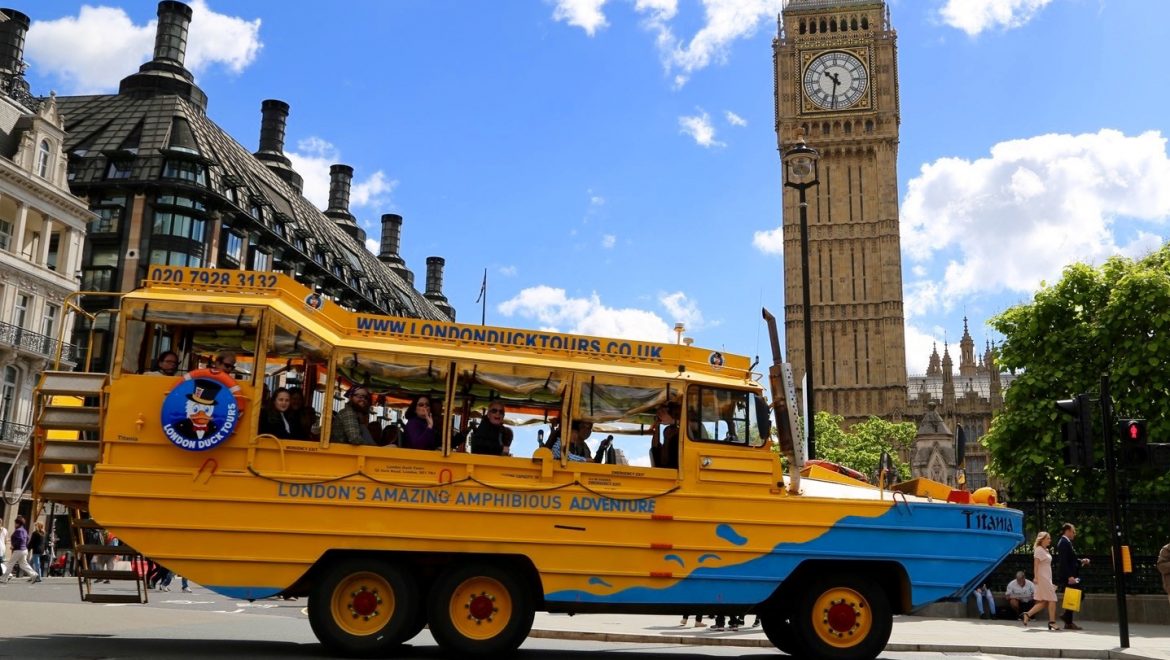
One of our most unusual marine applications must be the sound proofing of an iconic amphibious marine vehicle the DUKW or ‘duck’, now used by the London Duck Tour company.
The duck, a half boat half truck, was originally deployed by the allies during WWII and played a crucial part in the Normandy beaches landings of D-Day. In latter years the vehicle saw active service military service until 1966 and the Royal Marines used them as training vehicles until 2012.
As 31.40m MY Romantica was being made ready for delivery to her owner, the boat builders realised there was a serious acoustic issue with sound travelling around the entire vessel through vibration and a regeneration of power through the hull.
Rail noise from Transport For London trains was effectively combatted by a speedy installation of Acoustiblok’s external noise barrier AcoustiFence Membrane.
The iconic Landrover Defender is becoming an increasingly sought after vehicle, particularly early and ex-military models, however restoration specialist Stewart ‘Twiggy’ Roberts says many owners are simply finding the ride too noisy. He turned to Acoustiblok for help with a particular project involving a privately-owned former military police vehicle.
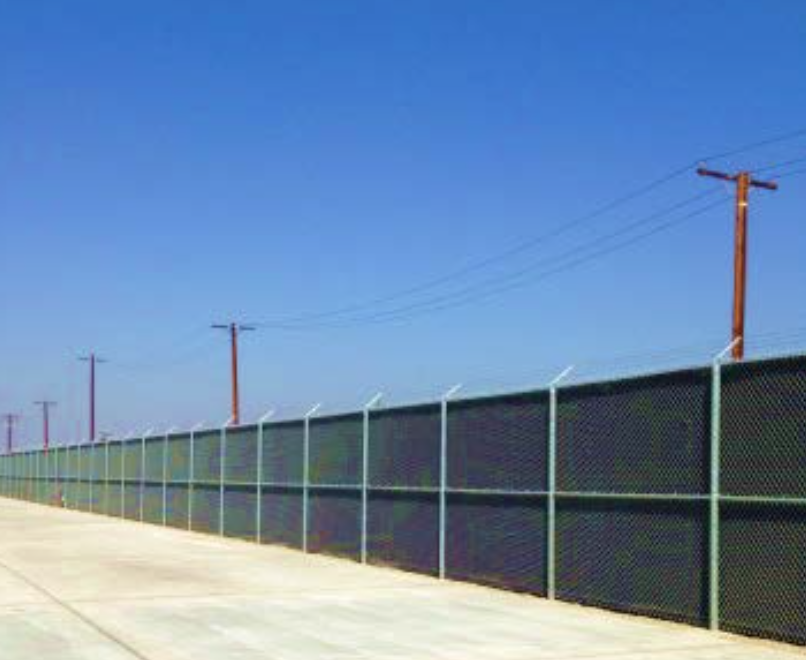
A large section of San Bernardino Airport International Airport in California, has been treated with Acoustiblok’s unique fencing barrier Acoustifence.

As both Acoustiblok and Thermablok Aerogel are founded on NASA based technology, we felt it was about time we brought them under one house, linking the company’s drive toward sourcing specialist insulation solutions which work in a forward thinking and intelligent way.
 Optimized by Seraphinite Accelerator