

What is an Acoustic Enclosure?
In today’s world, airborne noise pollution is a growing concern, particularly in industrial and commercial environments.
To meet local health and safety standards, businesses must take proactive measures to minimise excessive noise and its harmful effects.
One highly effective solution is the use of acoustic enclosures, which are designed to isolate and reduce noise at its source.
These enclosures are commonly used in settings where machinery or equipment generates significant noise.
In this article, we will explore what acoustic enclosures are, the different types available, and the various benefits they offer in reducing noise pollution.
Table of Contents
What in an Acoustic Enclosure?

An acoustic enclosure is a soundproof chamber designed to contain or block certain types of noise, either by keeping it inside the enclosure or preventing external noise from entering.
These enclosures come in various sizes, from small, portable units to large structures that can cover entire buildings.
They can be constructed from all sorts of differing materials depending on the environments in which they are to be used or the acoustic values / levels to be achieved / applied.
Materials are chosen for their ability to effectively decouple, absorb, deflect and thermally convert to isolate noise, ensuring that sound from machinery or other sources is contained within the enclosure.
Why Get an Acoustic Enclosure?

Acoustic enclosures are highly effective if you need to:
- Block or significantly reduce noise, especially at frequencies that could cause disruptions or interference.
- Isolate noise, preventing it from escaping the enclosed area and affecting surrounding spaces.
- Shield the interior from external noise, ensuring that sound from outside doesn’t penetrate the enclosure.
How Do Acoustic Enclosures Work?

To understand how acoustic enclosures function, it’s essential to first grasp the basics of soundproofing.
Soundproofing is the process of blocking noise from entering or leaving a space.
While it may not always be possible to completely eliminate noise, especially if it’s substantial, effective soundproofing materials can greatly reduce it.
At its core, sound is a form of energy created by vibrations.
When noise is generated, these vibrations cause the surrounding air to move, carrying sound energy to nearby areas.
This is a physical process.
However, when we perceive sound, such as hearing conversations or music, our ears and brain work together in a physiological process to interpret these vibrations as sound.
For sound to travel, it needs a medium – like air.
In a vacuum, sound cannot move.
Therefore, to effectively soundproof a space, the goal is to block sound at its source and prevent it from moving through the air.
This is a challenging task that requires choosing the right soundproofing materials and methods based on the space and type of noise involved.
The key materials in soundproofing must be able to both isolate and absorb sound and vibrations.
By doing this, they can prevent noise from escaping or entering an area.
Acoustic enclosures are specifically designed to ‘wrap around’ the noise source, containing the sound and preventing it from spreading outward.
To achieve this, the exterior of an acoustic enclosure is typically made from dense, solid materials like galvanised steel.
Inside, the enclosure is lined with sound-absorbing materials such as acoustic wool usually in conjunction with high-performance acoustic membranes like Acoustiblok 3mm, which utilises advanced thermal conversion technology to absorb sound.
These sound-absorbing materials often have a protective outer layer, such as perforated foil, vinyl, or sheet metal, to enhance durability.
In more specialised acoustic enclosures, vibration isolation technology is incorporated, which can include components like air cushions, rubber mounts, cork, mats, and fibreglass inserts to further minimise noise by dampening vibrations.
To maintain soundproofing, any openings – such as doors, windows, or ventilation systems, are kept to a minimum and equipped with silencers on air inlets and outlets.
Common Applications for Acoustic Enclosures
Acoustic enclosures are utilised in both indoor and outdoor settings to reduce noise pollution.
In outdoor applications, acoustic panels designed for noise reduction or cancellation are commonly used.
Industrial and commercial settings with high noise levels often require these enclosures to comply with local and national noise regulations.
Additionally, they help create quieter work environments, protecting employees from prolonged exposure to loud machinery and equipment.
Some common applications of acoustic enclosures in industrial settings include:
- Outdoor generator enclosures
- Transformer enclosures, compressor rooms, and industrial control rooms
- Air Handling, HVAC, Chillers
- Ventilation equipment used in commercial complexes, warehouses, and large facilities
Acoustic enclosures also safeguard workers in outdoor environments.
Construction workers, engineers, and field agents often operate in areas with constant noise from generators, ventilation fans, and other heavy machinery.
Outdoor sound barriers are particularly useful in reducing noise levels in such settings.
For indoor applications, acoustic enclosures are used to create quiet spaces, shielding occupants from external noise sources like traffic, equipment, or HVAC systems.
Types of Acoustic Enclosures
Acoustic enclosures come in various forms, tailored to different applications and noise reduction needs.
The type of enclosure chosen depends on factors such as the noise source, the desired level of noise reduction, and the environment in which it will be installed.
Here are the most common types of acoustic enclosures:
1. Soundproofing Enclosures

These enclosures feature thick walls with specialised acoustic seals to ensure sound containment.
Soundproofing enclosures are designed to completely isolate noise, preventing it from escaping into surrounding areas.
Common applications include recording studios and medical facilities, where sound leakage must be eliminated.
2. Noise Absorption Enclosures

As the name suggests, noise absorption enclosures focus on absorbing sound rather than blocking it entirely.
Acoustic insulation materials are applied to the walls to minimise the noise that escapes from the enclosed area.
These enclosures are often used in spaces like classrooms and offices, where the goal is to reduce noise levels without requiring complete isolation.
3. Sound Attenuation Enclosures

Sound attenuation enclosures aim to reduce the noise generated by machinery or equipment, isolating it from the surrounding environment.
Acoustic baffles and sound-dampening materials are employed to lower the noise levels.
These enclosures are commonly used in industrial settings such as printing plants and machine shops.
4. Machine Enclosures
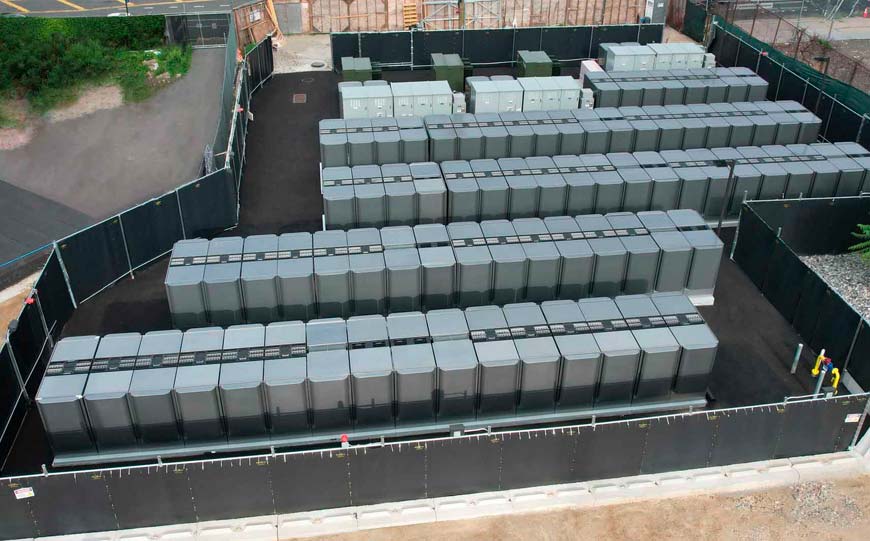
Machine enclosures are designed for situations where machinery produces high levels of noise.
They are commonly found in assembly lines and manufacturing plants, where prolonged exposure to loud machines can be hazardous for workers.
These enclosures often include safety features like emergency stop buttons and interlocking doors to protect workers.
5. Acoustic Barriers
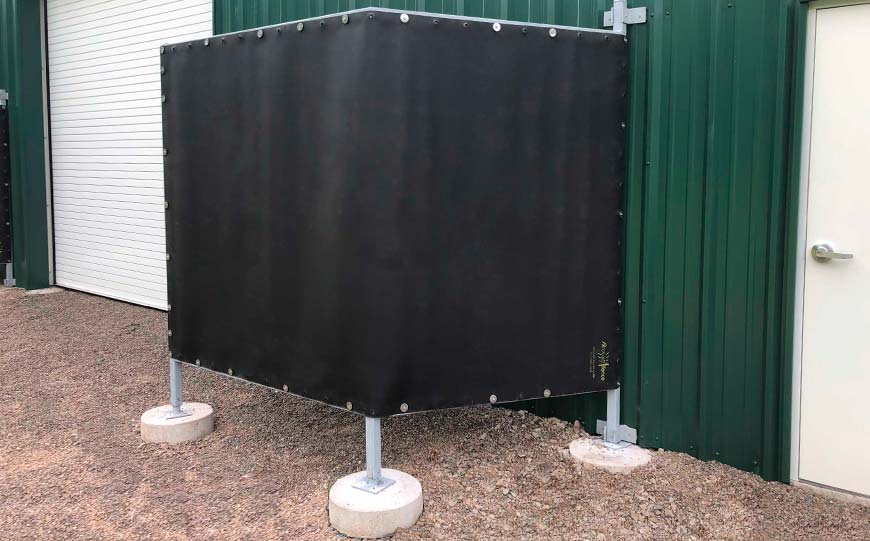
Acoustic barriers work by either absorbing or reflecting noise, preventing it from reaching the opposite side.
These barriers are often constructed using specialised sound-absorbing panels and are frequently used in factories and other noisy environments.
Benefits of Acoustic Enclosures
Acoustic enclosures offer several key advantages, particularly in environments with high noise levels:
1. Worker Protection
Acoustic enclosures significantly reduce noise levels, protecting workers from prolonged exposure to harmful sounds.
Noise levels above 85 decibels can cause serious health issues, including headaches, hearing loss, insomnia, and even stress-related conditions.
By blocking or dampening acoustic energy across the range of frequencies, acoustic enclosures ensure only safe, manageable sound levels are present within a work environment.
2. Improved Productivity
A quieter work environment is more conducive to higher productivity.
Constant or increased exposure levels to loud, monotonous sounds from machinery, generators, or compressors can lead to fatigue and reduced focus.
Acoustic enclosures help create a more comfortable and less distracting atmosphere, allowing workers to stay alert and focused.
3. Protection of Sensitive Equipment
In some settings, excessive noise can interfere with the operation of sensitive equipment such as metrology tools or semiconductor devices.
Acoustic enclosures help shield these devices from disruptive sound waves, ensuring accurate measurements and reliable performance.
4. Compliance with Noise Regulations
Acoustic enclosures are often essential for complying with local noise ordinances.
These regulations are in place to limit noise pollution in surrounding communities, and failure to comply can lead to penalties or legal action.
By controlling noise emissions, acoustic enclosures help businesses meet regulatory requirements.
Conclusion
Acoustic enclosures are highly effective solutions for controlling excessive noise, making them essential in environments where sound reduction is critical.
Prolonged exposure to high noise levels can lead to serious health issues, workplace disruptions, and reduced productivity.
By implementing an acoustic enclosure, you can mitigate these challenges and create a healthier, more efficient environment.
For the best results, it’s important to consult with a professional soundproofing company.
They can recommend the most suitable materials and design an acoustic enclosure tailored to your specific noise control needs and application.
Disclaimer
Acoustiblok UK Ltd / Thermablok Aerogel Ltd gives no warranty and accepts no responsibility or liability for the accuracy or the completeness of the information and materials contained in this website, blog or media content. Under no circumstances will Acoustiblok UK Ltd / Thermablok Aerogel Ltd be held responsible or liable in any way for any claims, damages, losses, expenses, costs or liabilities whatsoever (including, without limitation, any direct or indirect damages for loss of profits, business interruption or loss of information) resulting or arising directly or indirectly from your use of or inability to use this website, material, content or any website linked to it, or from your reliance on the information and material on this website, even if Acoustiblok UK Ltd / Thermablok Aerogel Ltd has been advised of the possibility of such damages in advance.